 Bellingham Roofing
 Why Silver Beach Decks Age Differently
Silver Beach sits close enough to the water that homes here take on a different set of exterior problems than decks further inland in Whatcom County. Salt-laden air off Bellingham Bay works its way into fasteners, hardware, and any exposed end grain. Add the region's long stretch of driving rain each fall and winter, plus a moss season that can run from October well into spring, and you have a deck assembly that's under near-constant moisture pressure for most of the year.
None of that means a deck in Silver Beach is doomed — it means the repair has to account for those conditions specifically, not just patch what's visible on the surface. A board that looks fine from the top can be hiding a ledger connection or a joist that's been staying wet for months at a time.
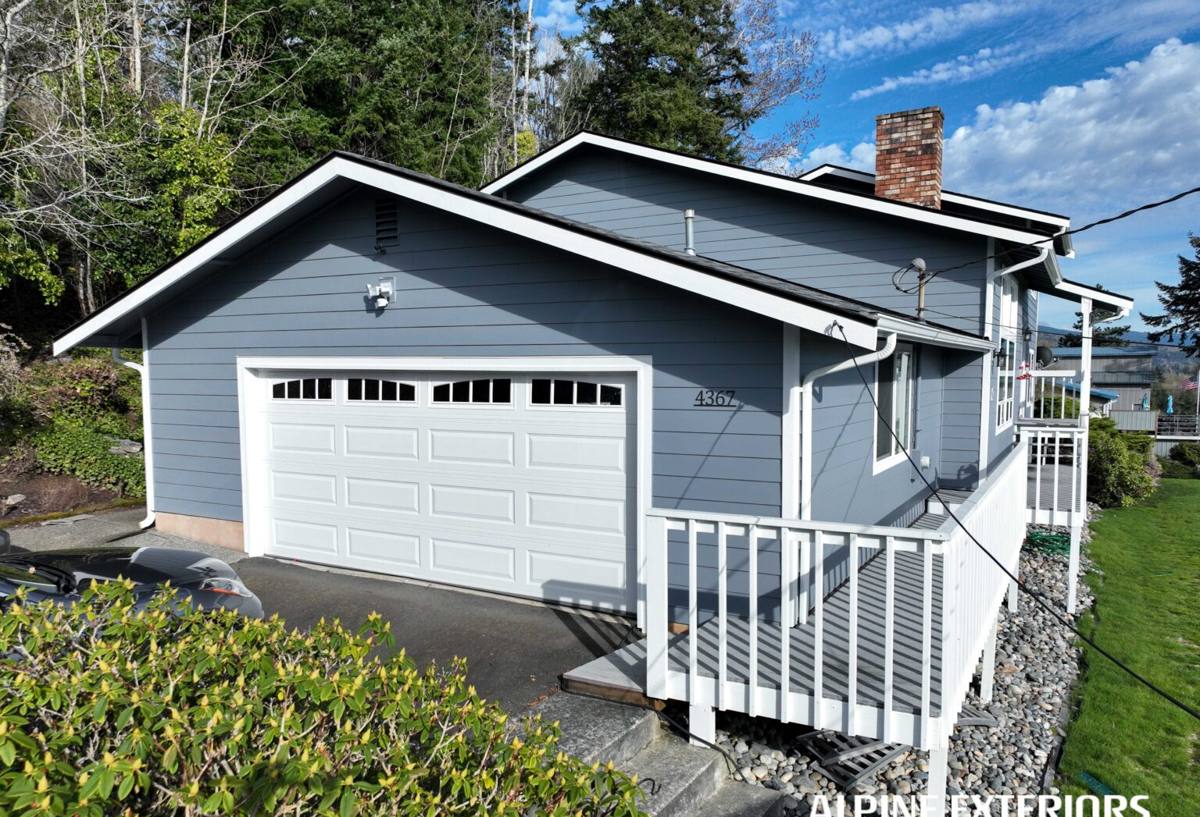
What Salt Air, Rain, and Moss Actually Do to a Deck
Salt Air and Hardware
Coastal air accelerates corrosion on anything metal — nails, screws, joist hangers, and structural bolts. Once a fastener starts to rust, it loses holding strength long before it looks obviously bad. This is one of the most common hidden problems we find on Silver Beach decks: hardware that's structurally compromised while the decking above it still looks presentable.
Driving Rain
Wind-driven rain doesn't just fall straight down — it gets pushed sideways into ledger connections, under flashing, and into any gap where two pieces of framing meet. Over time this creates rot pockets in places that are easy to miss during a quick visual check, especially where the deck attaches to the house.
Moss and Trapped Moisture
Moss holds water against wood far longer than open air ever would. On decking boards, railings, and especially in the shaded, less-ventilated spots under a deck, moss growth keeps surfaces damp long after a storm has passed. That extended dampness is what actually causes rot — it's rarely a single storm, it's the cumulative effect of surfaces staying wet.
Signs Your Deck Needs Repair — Not Just Cosmetic Attention
A lot of homeowners wait until a board fails or a railing feels loose before calling anyone. By that point, the damage is usually more extensive than it looks. Here's what we tell Silver Beach homeowners to watch for between seasons:
- Soft or spongy spots when you walk across the deck, especially near the house or stairs
- Railings or posts that wiggle more than a firm push should allow
- Rust streaks running down from screws, nails, or joist hangers
- Gaps or separation where the deck meets the house (the ledger board area)
- Persistent moss or dark staining that comes back within weeks of cleaning
- Fasteners that are popping up or spinning freely in their holes
- Visible daylight or gaps between deck boards that have widened over time
Any one of these on its own might be minor. Two or three together, particularly near the ledger or support posts, usually means it's time for a real inspection rather than a cosmetic fix.
Repair vs. Replace: How We Make the Call
Not every deck problem means starting over, and we don't default to recommending replacement just because it's a bigger job. The honest answer depends on what's actually failing and how much of the structure it affects.
| Factor | Usually Repairable | Usually Needs Replacement |
|---|---|---|
| Decking boards | Isolated soft spots or cracked boards | Widespread rot across most of the surface |
| Ledger connection | Corroded fasteners with sound wood underneath | Rot in the ledger board or house rim joist itself |
| Framing (joists/beams) | One or two damaged joists | Rot affecting the main support beams |
| Railings and posts | Loose hardware, minor wobble | Rotted post bases below the surface |
| Age of structure | Under 12-15 years, built reasonably well | Original construction quality was poor or very old |
We'll always tell you honestly which category your deck falls into, including when a smaller repair now can reasonably buy you several more years before a full rebuild makes sense.
What a Correct Repair Actually Involves
A repair that only addresses what's visible from the top tends to fail again within a season or two in a climate like ours. A repair done right addresses the whole moisture path.
Structural Framing
Joists, beams, and posts are inspected for soft wood, not just visible rot. We probe suspect areas rather than relying on appearance alone, since salt-air corrosion and slow rot both hide well under a painted or stained surface.
The Ledger Connection
Because this is where the deck attaches to the house, it's also where wind-driven rain does the most damage over time. We check the flashing here specifically, since a ledger with failed or missing flashing will keep rotting no matter how many other repairs are made elsewhere on the deck.
Fasteners and Hardware
Corroded nails, screws, and joist hangers get replaced with fasteners rated for exterior and coastal exposure. Reusing salt-corroded hardware in a "repair" just guarantees the same failure returns within a few years.
Decking and Railings
Individual boards or railing sections are replaced to match as closely as possible, and we check post bases below the surface — that's a spot that looks solid from above but is often the first place rot sets in near ground contact or under a rail cap.
Our Repair Process
- On-site inspection. We walk the full deck, check underneath where possible, and probe any area showing soft wood, rust, or staining.
- Honest assessment. You get a clear rundown of what's failing, what's causing it, and whether repair or partial replacement makes more sense.
- Written estimate. Scope and rough cost range before any work begins — no surprise add-ons mid-project.
- Repair work. Framing, ledger, hardware, decking, and railings addressed in the order that matters structurally first, cosmetically last.
- Final check. We walk the deck with you afterward so you know exactly what was done and what to watch going forward.
Materials and Fasteners We Use
For coastal Whatcom County conditions, we lean toward hardware and fasteners rated for exterior or marine-grade exposure rather than standard interior-rated equivalents — the small cost difference up front is minor compared to redoing corroded hardware in a few years. For decking and framing repairs, we match materials to what's already on the deck where that's the sound choice, and we'll walk you through the honest maintenance trade-offs of composite versus wood if a section is being replaced rather than just repaired, since that decision affects how much upkeep you'll be doing going forward.
Maintenance That Actually Extends Deck Life Here
Repair work holds up longer when it's paired with a bit of seasonal upkeep. This is especially true in Silver Beach, where salt air and moss pressure are more constant than in drier inland neighborhoods.
- Clear moss and debris from decking and gaps at least twice a year, more often on shaded sections
- Keep gutters and downspouts clear so runoff isn't draining directly onto or under the deck
- Check railing and post hardware for wobble or rust once a year
- Reseal or restain exposed wood on the schedule the product recommends — coastal exposure shortens the useful life of most finishes
- Keep vegetation and standing water away from post bases and the area under the deck
Why a Crew That Already Works Silver Beach Matters
Deck repair isn't just a generic checklist — the right approach depends on local exposure. A crew that regularly works this stretch of Bellingham knows which connections tend to fail first in salt air, which areas hold moss longest through the wet months, and where driving rain typically finds its way into a ledger or railing base. That familiarity means less time spent guessing and more time spent fixing the actual problem the first time, rather than discovering a second issue a season later because the first repair only addressed what was visible.
It also means a more realistic estimate. We're not pricing based on how a deck holds up in a dry climate — we're pricing based on how decks in this specific part of Whatcom County actually perform over time.
Get an Honest Look at Your Deck
If your deck has soft spots, rust stains, loose railings, or moss that keeps coming back no matter how often you clean it, it's worth getting a real inspection before those issues spread further into the framing. We'll give you a straight answer on what's needed, what it will cost, and what can reasonably wait — no pressure, no upsell. Use the form below to request a free estimate for your Silver Beach deck.